

Tomorrow's mobility: Between technological revolution and societal challenges
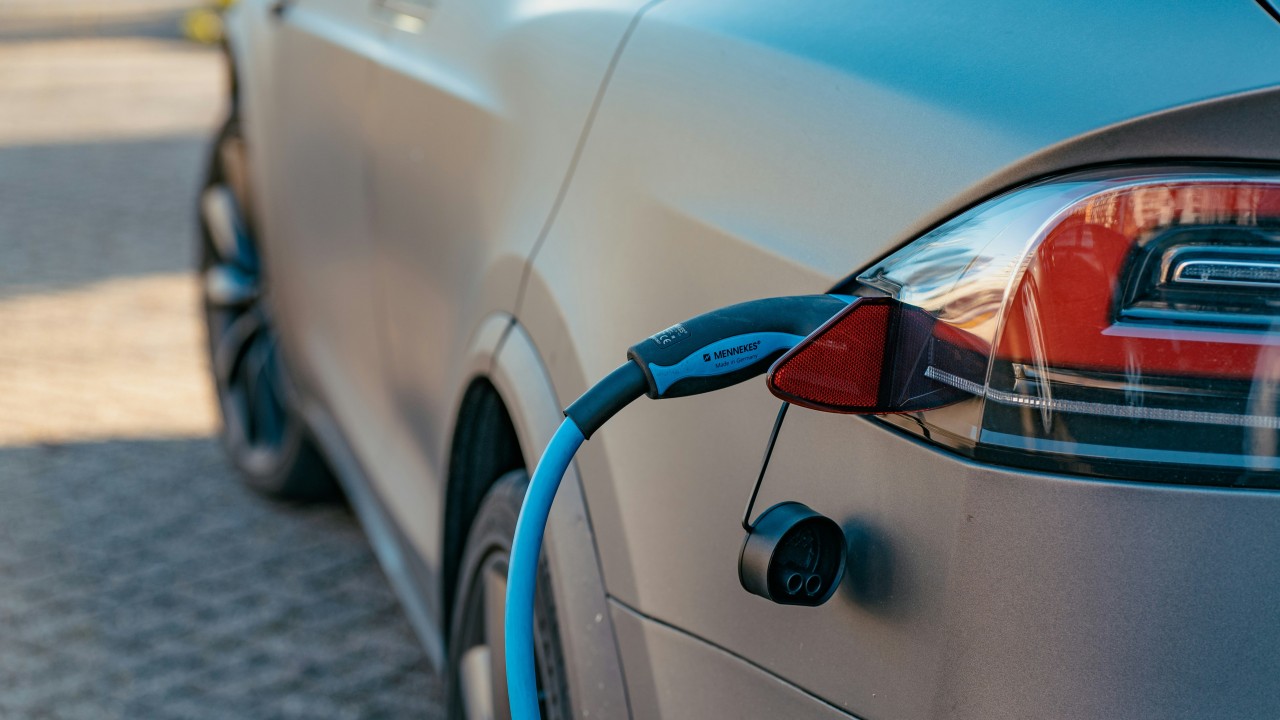
Tomorrow's mobility promises to be more connected, sustainable and inclusive, but it is based on solving complex challenges related to security, accessibility and cost reduction. Strategic partnerships, advances in artificial intelligence and regulatory efforts will play a key role in creating an ecosystem where innovation serves users' needs. By 2035, shared autonomous mobility could be a standard, transforming our modes of travel in a sustainable and efficient way.
FACTS
- Tomorrow's mobility is based on major technological innovations that transform the transport and automotive sectors. Among these advances, the Software-Defined Hardware (Software) andartificial intelligence (AI) play a crucial role:
- Devices become programmable via software, allowing remote updates and continuous improvements without replacing hardware. For example, Tesla uses OTA (Over-The-Air) updates to improve vehicle performance.
- More than ten cities around the world, including Phoenix, San Francisco and Oslo, are already hosting fleets of shared autonomous vehicles capable of operating without human intervention.
- Partnerships, such as the one between Cerence and Jaguar Land Rover, revolutionize infotainment systems by integrating voice and generative AIA solutions, offering a wide range of Personalized embedded experiences.
ISSUES
- Finding profitability and economic balance: The costs of developing autonomous and connected technologies are high. Economies of scale and innovations in design are expected to reduce costs by 2035. The provision of shared mobility must remain competitive with traditional modes of transport.
- Strengthening data security and protection: Connected devices are exposed to cyber attacks. A strict separation between critical and non-critical systems is essential. Consumer confidence requires increased transparency and education on the benefits of new technologies.
- Rethinking Accessibility and Inclusion: Vulnerable or special needs populations must be integrated into the design of services. This involves community partnerships and barrier-free vehicles.
- An evolution of regulatory standards: Regulatory frameworks are evolving to guide these innovations, particularly in Europe with the introduction of standards for autonomous vehicles and integrated payment systems.
PERSPECTIVE
- Waymo and Virtual Road Scenarios: Waymo uses advanced simulations to model the behaviour of autonomous vehicles in complex scenarios. These tools speed up the development of autonomous driving while avoiding risks in real-life conditions.
- Jaguar Land Rover and Cerence: Their partnership includes AI-based voice assistants, offering increased personalization and intuitive interactions for drivers.
- Volkswagen and ChatGPT: The integration of ChatGPT into voice assistants transforms the way drivers access information and manage their journeys, making driving more productive and connected.
Traduit automatiquement via Libretranslate / Automatically translated via Libretranslate